Nederlands
 Deutsch
 English
 Español
 Français
 Italiano
 Português
 Svenska

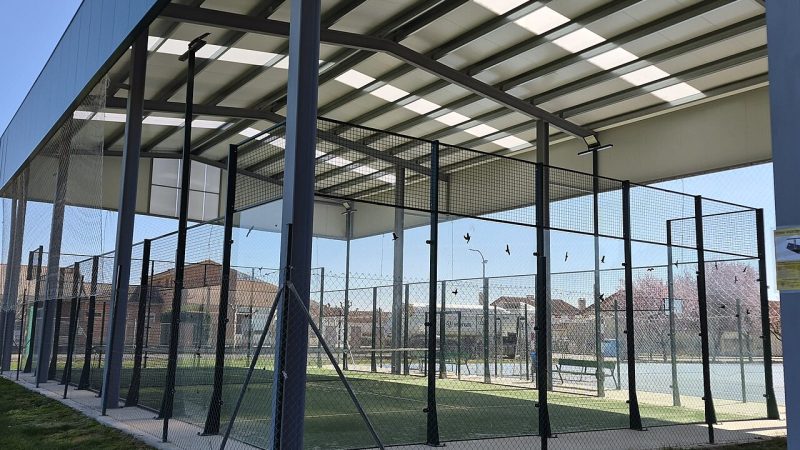
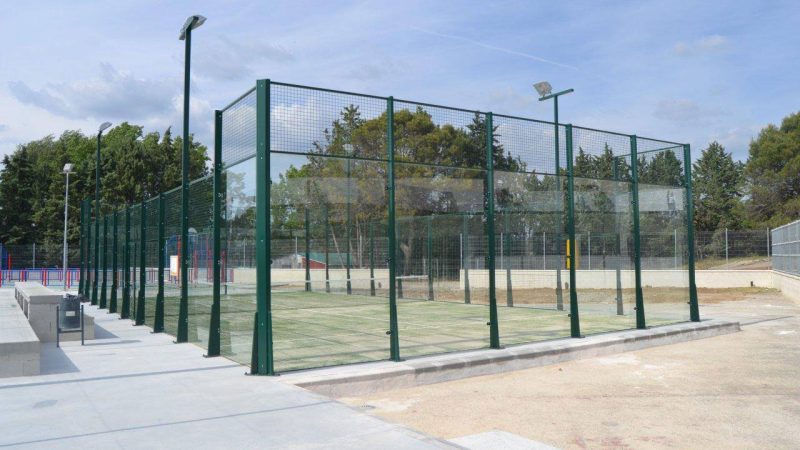
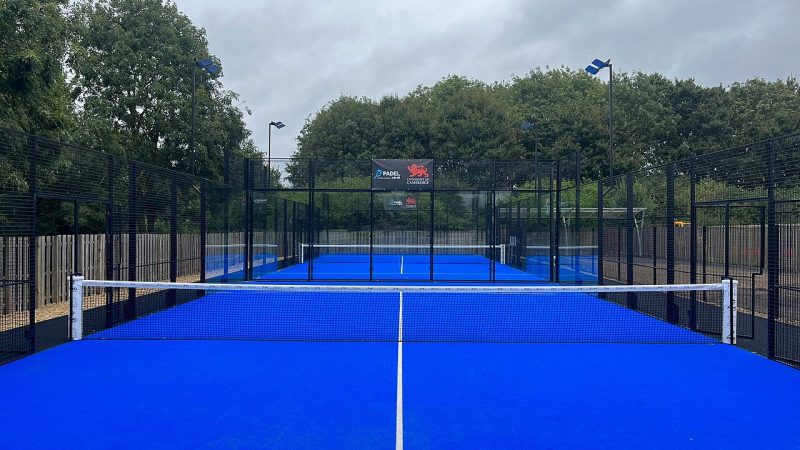
Britain came late to padel, but it has caught up fast. According to the Lawn Tennis Association (LTA), more than one million people now play the sport in Britain, up from 400,000 at the end of 2024. As AFP reported this weekend, the speed of that growth has started a public argument: the boom has winners, but it also has local communities who feel they are losing space to it.
From 15,000 players to a million in seven years
The LTA's figures show how sharp the curve has been. Britain had roughly 15,000 padel players in 2019, 129,000 in 2023 and 400,000 in 2024. Around 860,000 adults and juniors played at least once in 2025, and the governing body passed the million mark in May 2026. Over the same period, courts went from 870 at 293 venues at the end of 2024 to 1,825 courts at 551 venues by May this year. AFP puts the current national total at about 2,000.
"Reaching the milestone of one million people now playing padel in Britain marks a defining moment in the sport's growth," said Tom Murray, the LTA's head of padel, when the number was announced. The UK government has also committed £3 million for covered facilities in 2026/27.
For many recreational players, the appeal is how easy it is to start. Laura Latham, a 42-year-old civil servant from Stockport in north-west England, told AFP she had never held a racket before trying padel "and I just fell in love". She pays around £11 for an off-peak game and about £16 at peak times.
Skaters and residents push back
The resistance is concentrated in east London. In Barking, the "Save Barking" campaign tried and failed to stop the skatepark being closed in August to make way for padel courts. Eleanor Dunlop, a 29-year-old musician and skater who co-led the campaign, told AFP she worried about "losing places, like third spaces" where people can meet without having to pay.
In Bethnal Green, residents are opposing council plans for a temporary padel court in an area used by roller skaters, skateboarders and basketball players. Agnieszka Wood, 52, who led an unsuccessful campaign against turning an east London skating area into padel courts, called padel "a kind of hedge fund-backed sport, taking over local spaces". She also questioned whether expansion at this pace can last.
 Alessandro Ferrero Faces Creative Challenges in Dritto al Vetro Podcast Episode
The industry admits that, early on, it marketed itself to a particular audience. Mark Hewlett, founder and chief executive of Soul Padel, told AFP the sport had been "pitched to that kind of crowd", meaning wealthier areas. His company has chosen post-industrial towns instead. It runs 16 courts across four sites in central and northern England and Scotland, and has seven more planned.
The money question
Wood's doubts about sustainability come as the business side of UK padel is under strain. A Bloomberg investigation published on 9 October reported that at least $300 million has gone into the British market in just a few years, and that 2026 has brought the first operator failures. Social Sports Society, one of the largest operators with five sites, has gone into administration. Its founder blames financing partner Mindspring Padel, which disputes his account. Padel XO, founded by former Scotland rugby international Max Evans, has been liquidated.
Market observers keep pointing to Sweden. Around 90 padel-related companies there went bankrupt in 2023 after the pandemic-era building spree. Britain is not at that stage: demand for court time is still strong in many cities, and well-known investors from Andy Murray to Stormzy are tied to UK operators. Still, with a reported 559 further planning applications in the pipeline, the next round of council decisions on where padel courts go, and what they replace, will show whether the boom can keep local communities on side.